

Quick answer
Tours depart daily from Waianae Harbor starting at 8am, with the final departures leaving by 5pm. Morning sailings between 8am and 11am deliver the calmest water and the best chance of encountering spinner dolphin pods, which rest in sheltered bays after feeding overnight in deeper waters. Most tours run three to four hours and include snorkeling alongside the marine mammal observation.
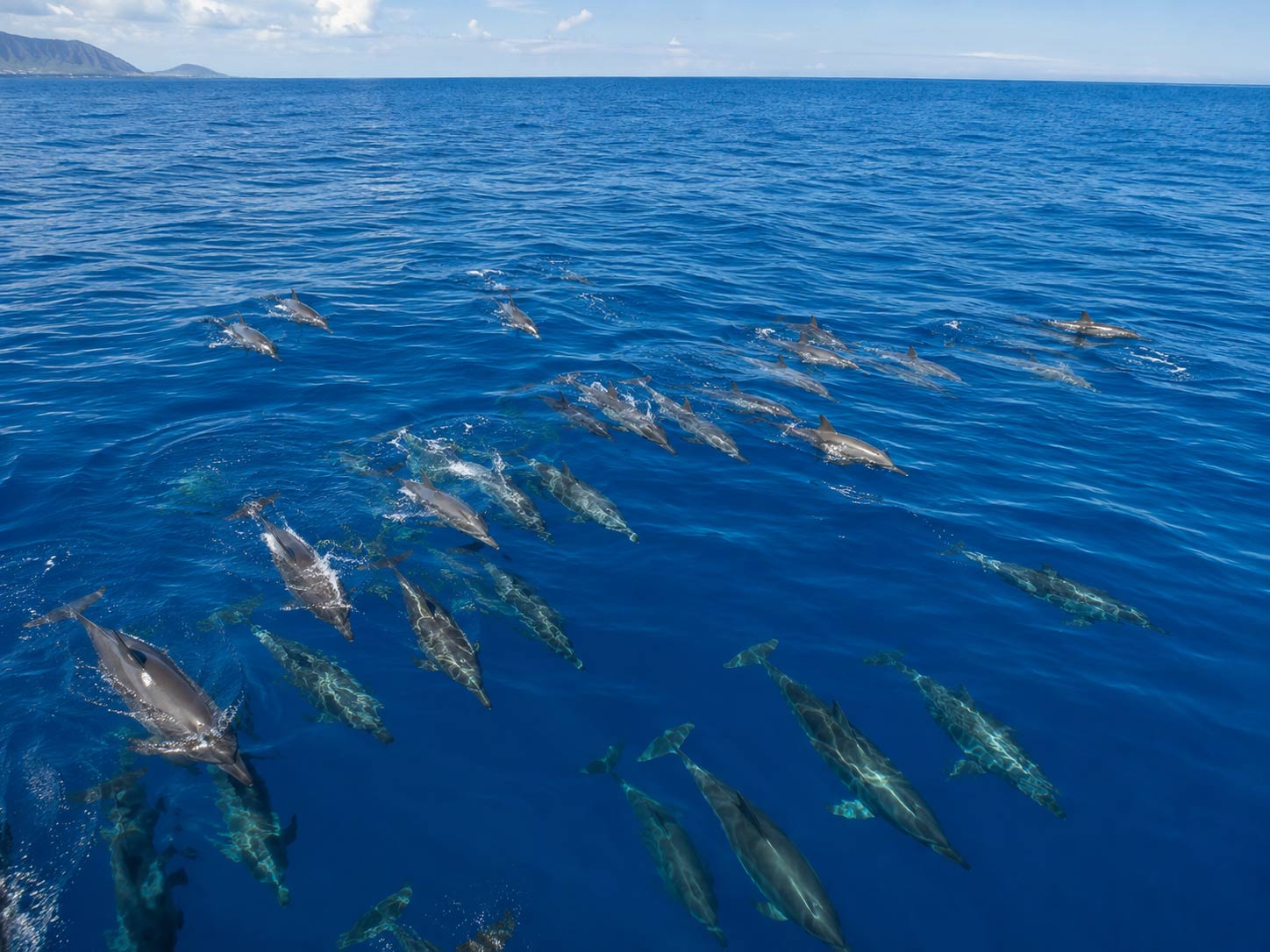
Spinner dolphins return to Oahu's leeward coast every morning after hunting in open ocean through the night. The pattern is consistent enough that tour operators schedule their earliest departures to intercept the pods as they glide into shallow bays to rest, socialize, and nurse calves. The window between dawn and mid-morning offers not just higher sighting rates but also glassier water, cooler air temperatures, and better underwater visibility for snorkeling. Waianae Harbor serves as the primary launching point for dolphin watching on Oahu's west side, roughly forty minutes by car from the Waikiki hotel corridor. The harbor sits directly adjacent to the spinner dolphins' preferred resting grounds, cutting transit time on the water and maximizing the duration spent observing the pods. Tour vessels range from sailing catamarans to smaller motorized rafts, each with different passenger capacities and onboard amenities. Federal marine mammal protection regulations prohibit swimming directly toward dolphins or attempting to touch them, but snorkelers frequently find themselves surrounded when curious individuals approach on their own terms. Seasonal weather shapes the experience more than the dolphins themselves, which remain present year-round. Winter swells between November and March can make the crossing rougher and occasionally force cancellations, though the leeward coast stays calmer than the windward and north shores. Summer and early autumn deliver the flattest conditions and the warmest water temperatures for snorkeling. Pregnant women, young children, and anyone prone to seasickness should prioritize the earliest departure slots and consider medication in advance. Tour operators conduct wildlife encounters under guidelines established by NOAA, and captains adjust their approach based on the dolphins' behavior each morning to avoid disrupting rest periods.
“Spinner dolphins return to the same sheltered bays each morning after feeding offshore, creating predictable encounter windows for early departures.”
The Best Time for Waikiki Dolphin Watching
The best arrival window for dolphin watching is 08:00–11:00. Tours during this timeframe benefit from the calmest ocean conditions and the highest probability of observing natural dolphin behavior.
Morning Tours
Moderate attendanceCalm waters, 75°F to 82°F
Morning conditions provide the most stable sea state for boat navigation and wildlife observation. Animal activity is typically higher before afternoon winds develop.
Summer Months
High tourist volumeWarmer water, 80°F to 82°F
Summer offers consistent visibility, though boat capacity is frequently reached. Advance planning is necessary for these popular dates.
Winter Months
Lower tourist volumeCooler water, 74°F to 77°F
Winter conditions can occasionally be rougher, but this period coincides with whale season. Sightings are frequent despite variable sea states.
Verdict: The optimal time for a tour is the 08:00–11:00 arrival window, particularly during the shoulder months of April or October when sea conditions remain favorable.
Operating Hours for Waikiki Dolphin Watching Tours
Dolphin watching tours operate on a consistent weekly schedule to accommodate visitor excursions from the Waiʻanae Small Boat Harbor.
| Monday | 08:00–17:00 | |
|---|---|---|
| Tuesday | 08:00–17:00 | |
| Wednesday | 08:00–17:00 | |
| Thursday | 08:00–17:00 | |
| Friday | 08:00–17:00 | |
| Saturday | 08:00–17:00 | |
| Sunday | 08:00–17:00 |
Waikiki Dolphin Watching Costs and Operator Fees
Access to the Waiʻanae Small Boat Harbor is free of charge. Actual dolphin watching experiences require booking a paid tour through licensed operators.
While harbor entry is 0 USD, visitors must pay a fee to private tour operators, with costs depending on the specific excursion chosen.
Directions and Transport to Waikiki Dolphin Watching
Dolphin watching departures are located at Waiʻanae Small Boat Harbor, situated on the leeward coast of Oahu. The most direct approach from Waikiki is via personal vehicle or rental car.
Take H-1 W to HI-93 W (Farrington Hwy) to Waianae
Take TheBus route 40 or 42 from Ala Moana Center
Direct transfer via H-1 W
Waikiki Dolphin Watching Preparation Checklist
Reserve your spot and prepare the essentials before heading to Waiʻanae Harbor for your dolphin encounter.
-
Book your tour in advance — Most operators require reservations and popular morning slots fill quickly.
-
Bring reef-safe sunscreen — Hawaii law prohibits non-reef-safe formulas to protect marine ecosystems.
-
Pack motion sickness medication — Ocean conditions can be choppy, especially outside the harbor.
-
Wear swimwear under your clothes — You'll save time and can enter the water immediately when dolphins appear.
-
Bring an underwater camera or GoPro — Standard phones aren't waterproof and you'll want footage of your swim.
-
Arrive 15 minutes before departure — Check-in, safety briefings, and gear distribution happen before the boat leaves.
-
Confirm your meeting point the day before — Some operators depart from Waiʻanae Harbor while others use Waikiki pickup locations.
Check availability
Frequently asked questions about waikiki dolphin watching
Everything you need to know about waikiki dolphin watching